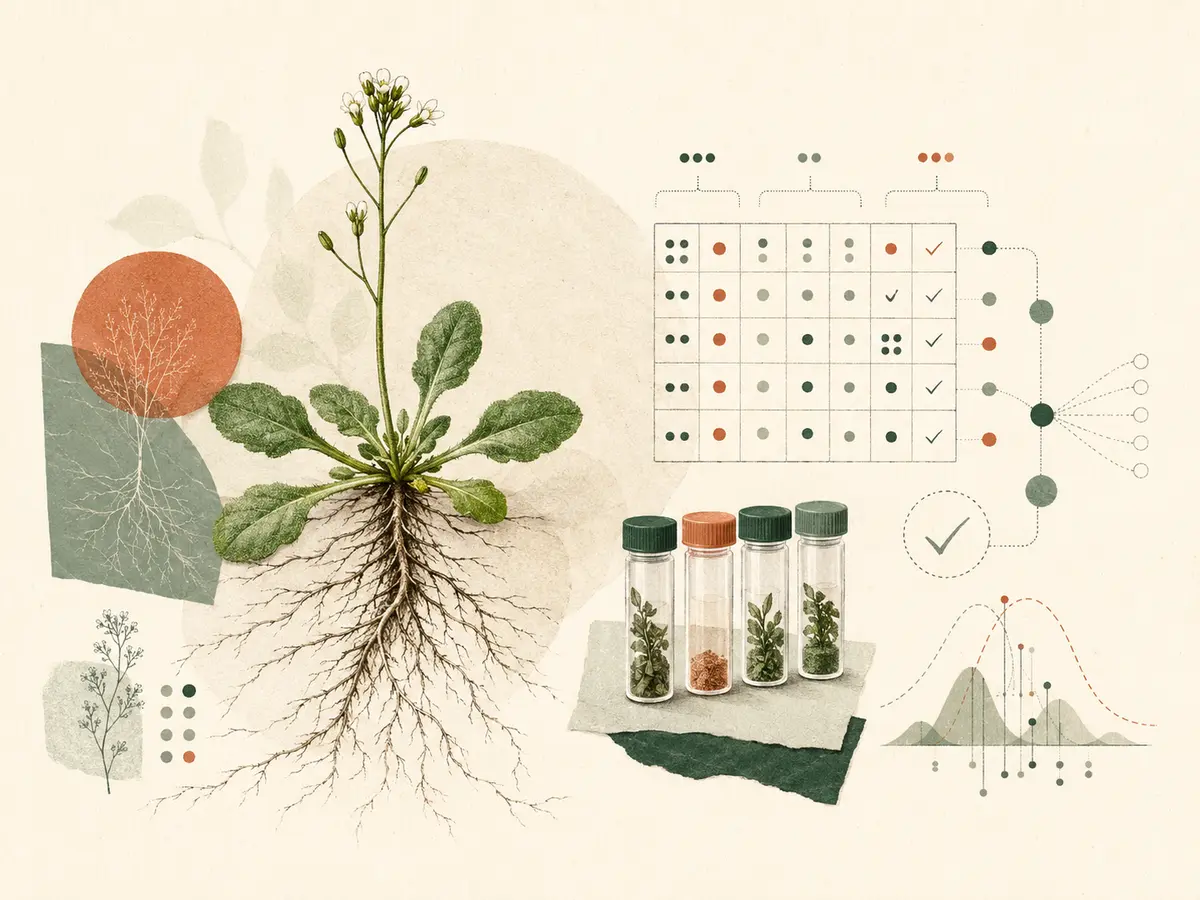
Plant Omics Studio

Plant omics strategy · analysis · training

From plant omics data to experimental decisions.

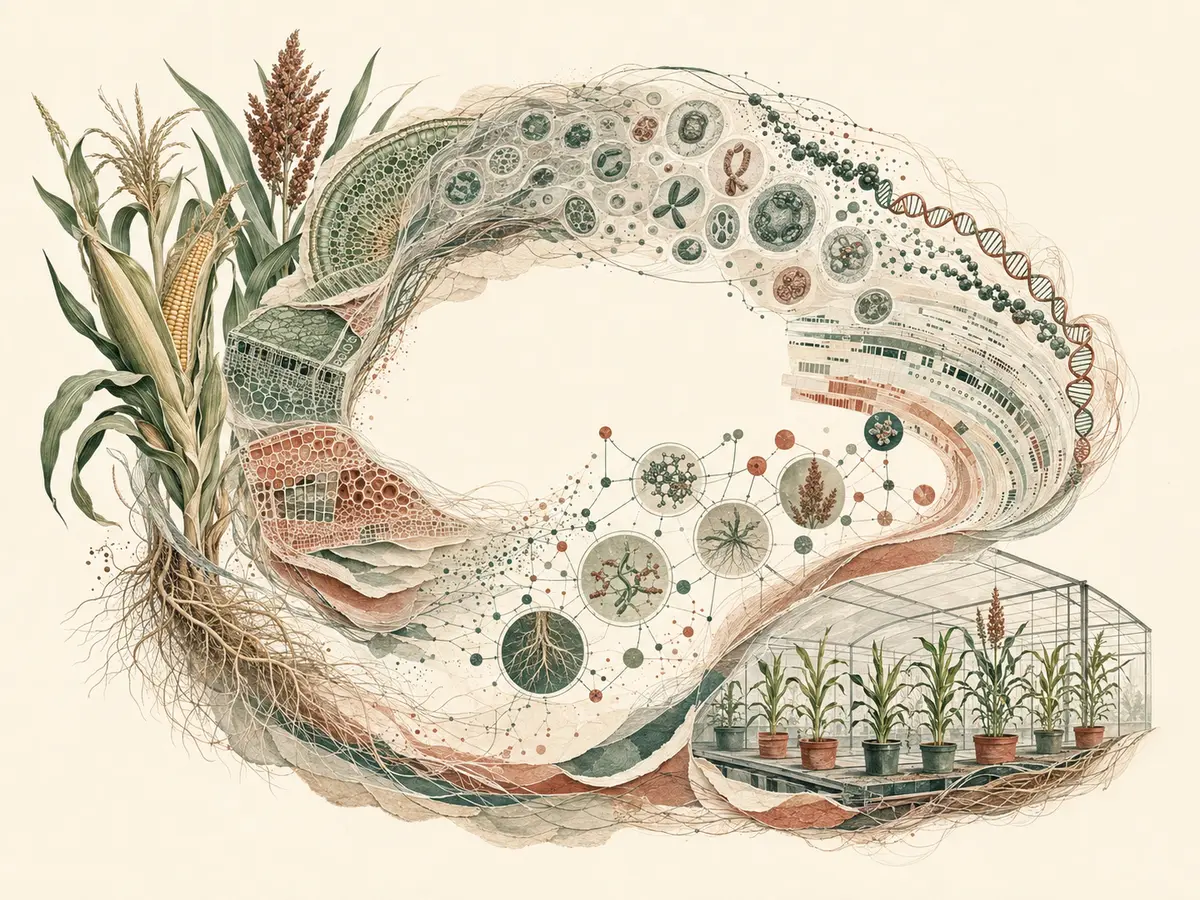
We integrate transcriptomic, epigenomic and single-cell evidence to prioritize candidates, build testable biological models and define the next experiment.

Plant genomicsEpigenomicsRoot biologyReproductive development

The real deliverable

Your data should end in a decision.

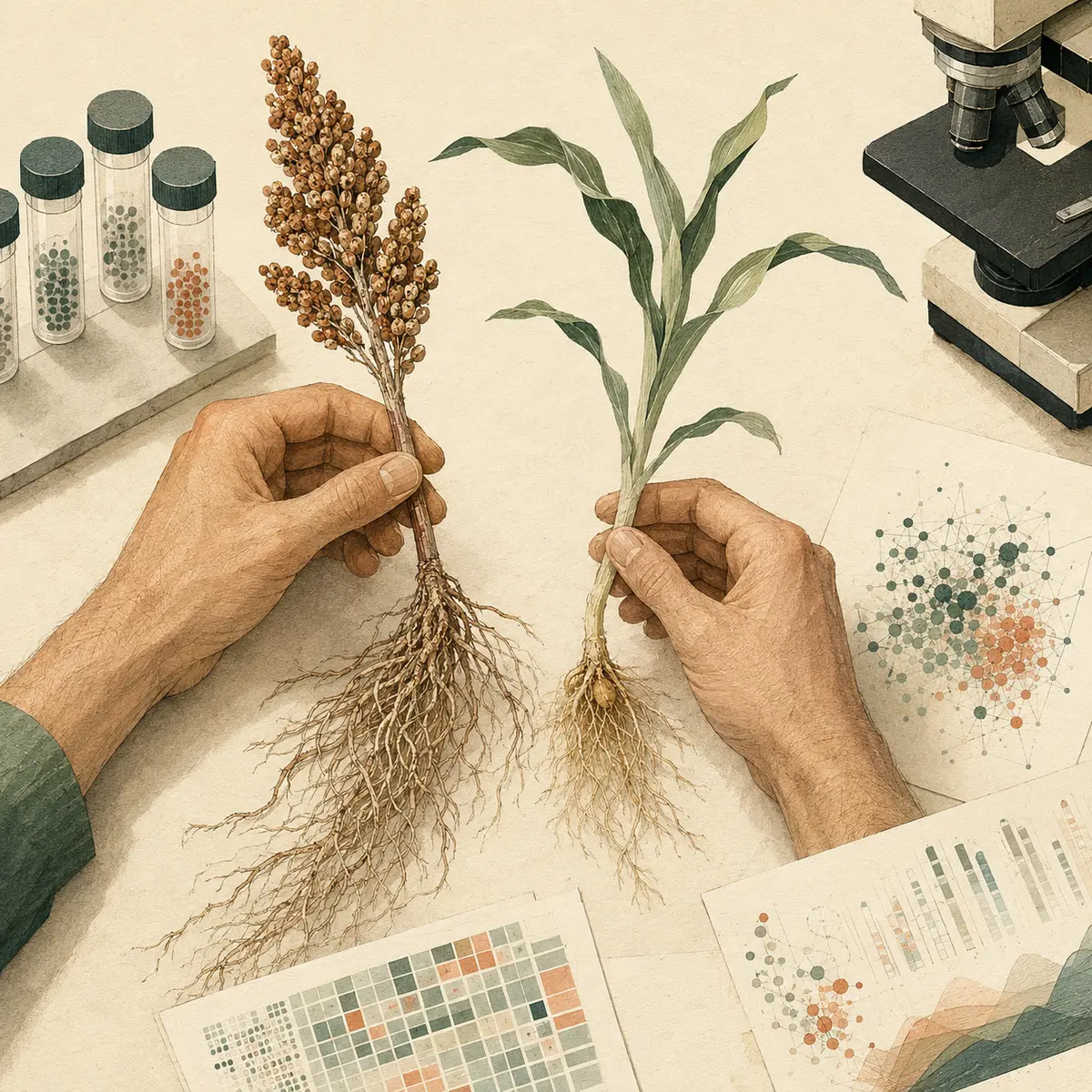
Not another folder of plots. Complex datasets become a defensible shortlist, an explicit biological model and a practical route to validation.

  • Ranked, evidence-based candidates
  • A testable biological interpretation
  • A practical validation plan

Focused services

Three ways to move a project forward

Every engagement begins with the biological question and the decision the data must support—not with a predetermined pipeline.

Omics design & project audit

We assess the biological question, experimental design, replicates, metadata, technology choices and analytical strategy before resources are committed—or when a study has stalled.

You receive: a risk map and an experimental–analytical plan.
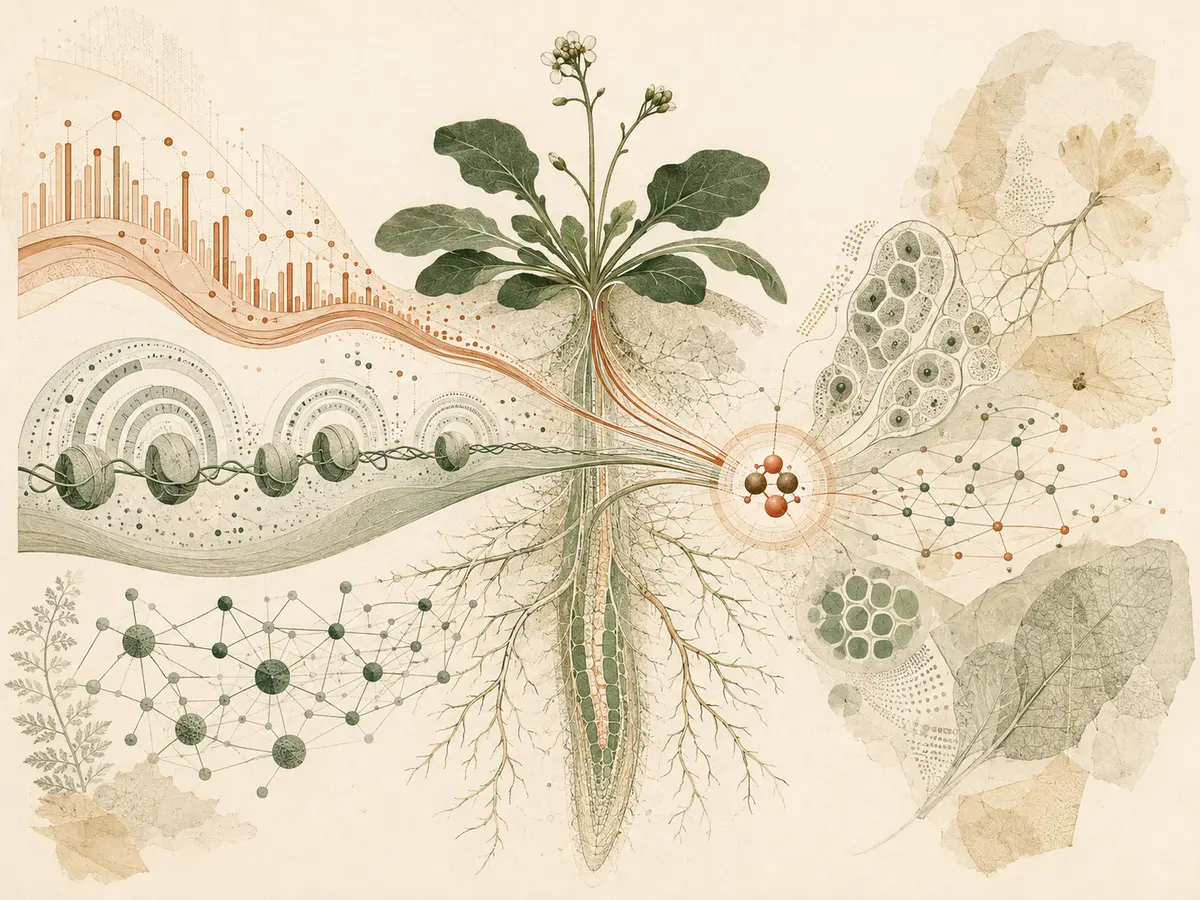

Multi-omic integration & candidate prioritization

We connect expression, chromatin accessibility, DNA methylation, genotype and phenotype to reduce long lists to defensible candidates and validation experiments.

You receive: a candidate ranking, biological model and validation plan.

Analysis, interpretation & publication support

We audit existing data, resolve analytical bottlenecks and build reproducible analyses, publication-grade figures, methods and a scientifically supported interpretation.

You receive: reproducible outputs, figures and a coherent evidence-based narrative.

Applied experience

Published research, active collaboration and scientific training

The work behind Plant Omics Studio spans root stress biology, chromatin regulation, genome-content change, crop multi-omics and reproductive development.

Selected publications

Ongoing research collaboration

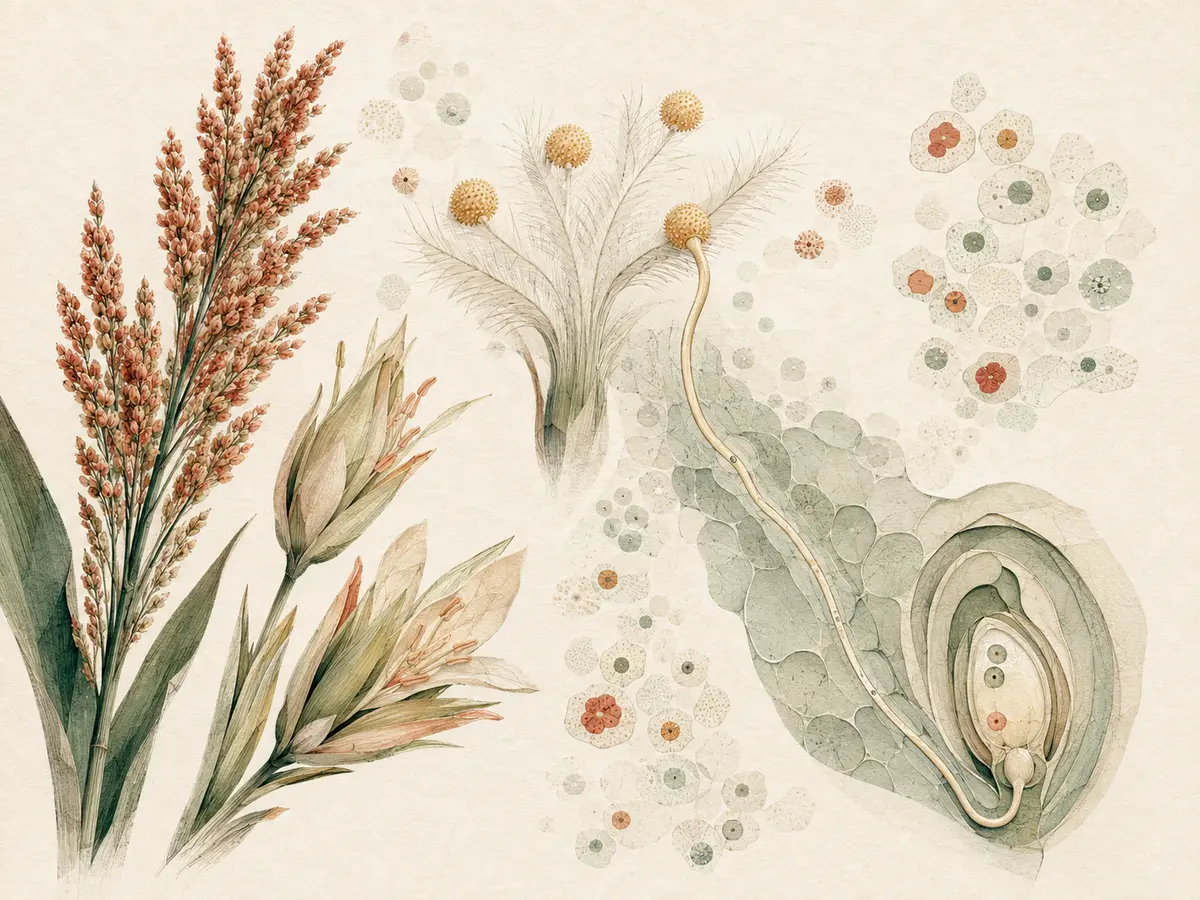
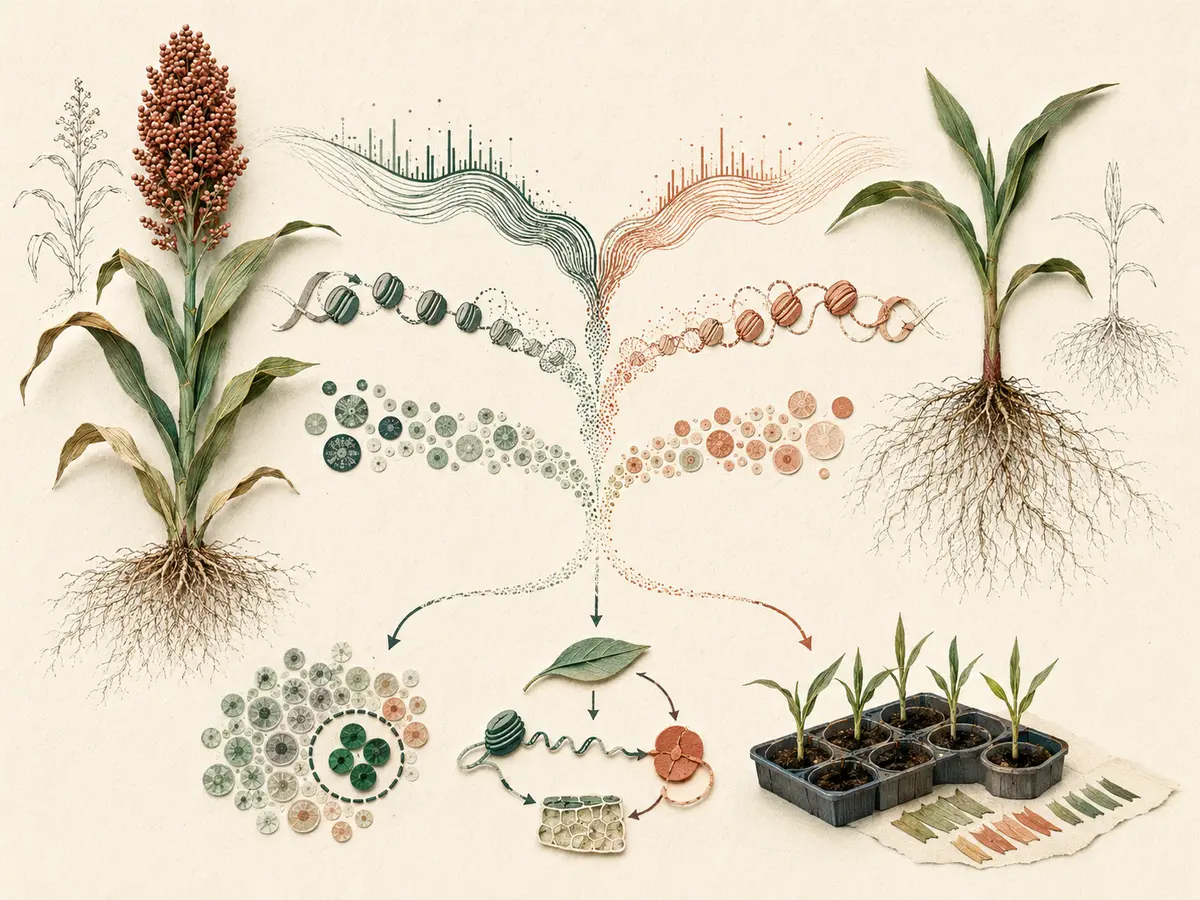
Single-cell transcriptomics of sorghum reproductive development

With Dr. Yinping Jiao · Texas Tech University

Analysis and biological interpretation of single-cell transcriptomic data during pollen tube development, including cell-type annotation, marker interpretation and maternal–paternal transcriptional signatures. Manuscript in preparation.

Scientific training

Plant hybridization and gametogenesis · UNAM

Specialized training connecting reproductive development, biological interpretation and experimental design—an example of the workshop format available to research groups and graduate programs.

Scientific capabilities

Methods connected by biological reasoning

The advantage is not running each method independently. It is knowing how evidence from one layer should change the interpretation of another.

RNA-seqATAC-seqChIP-seqSingle-nucleus RNA-seqHi-C & Capture Hi-CCandidate prioritizationExperimental designPublication figures

Roots & abiotic stress

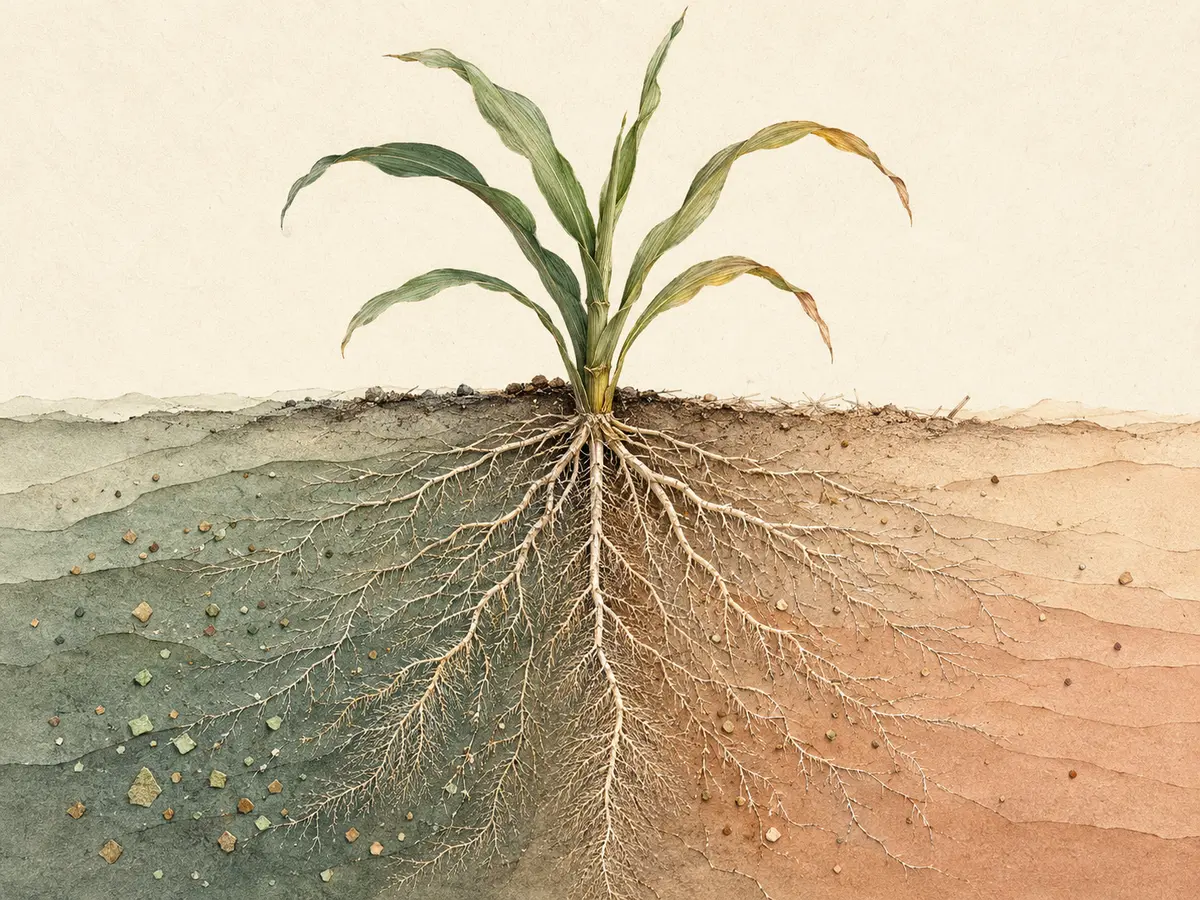
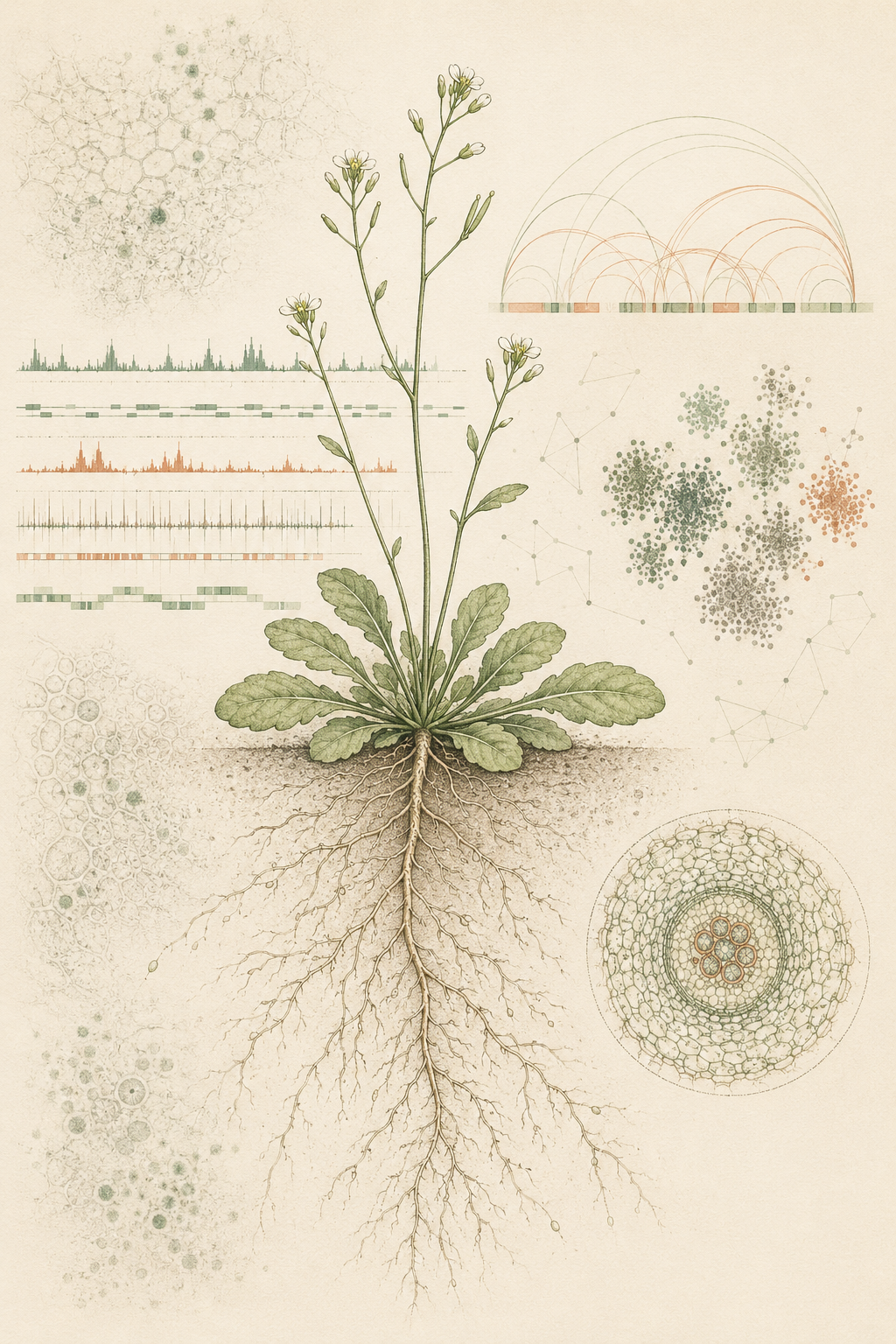
Nutrient signaling, phosphate starvation and environmental plasticity.

Chromatin & development

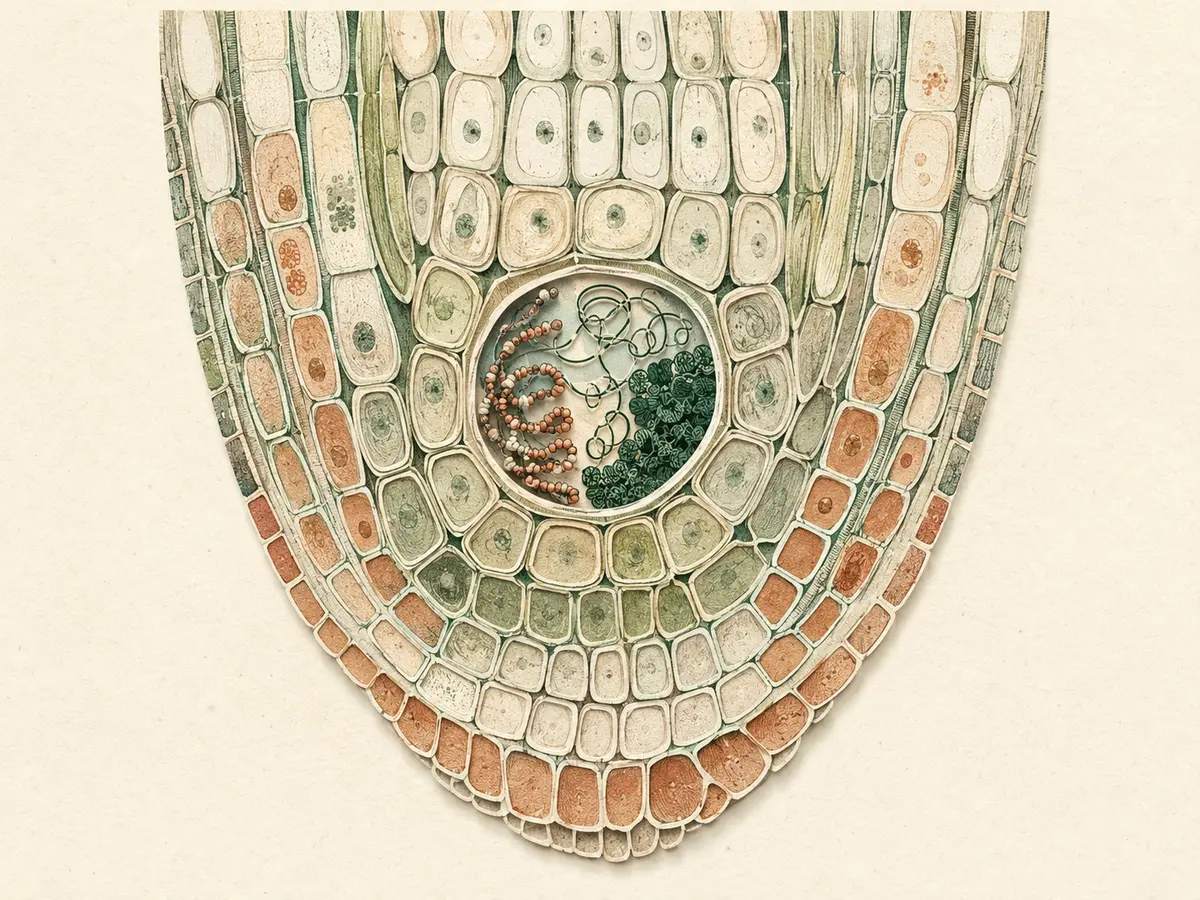
Polycomb/Trithorax regulation, histone marks and genome organization.

Plant reproduction

Pollen tube, ovule, embryo, seed phenotypes and apomixis.

Ploidy & adaptation

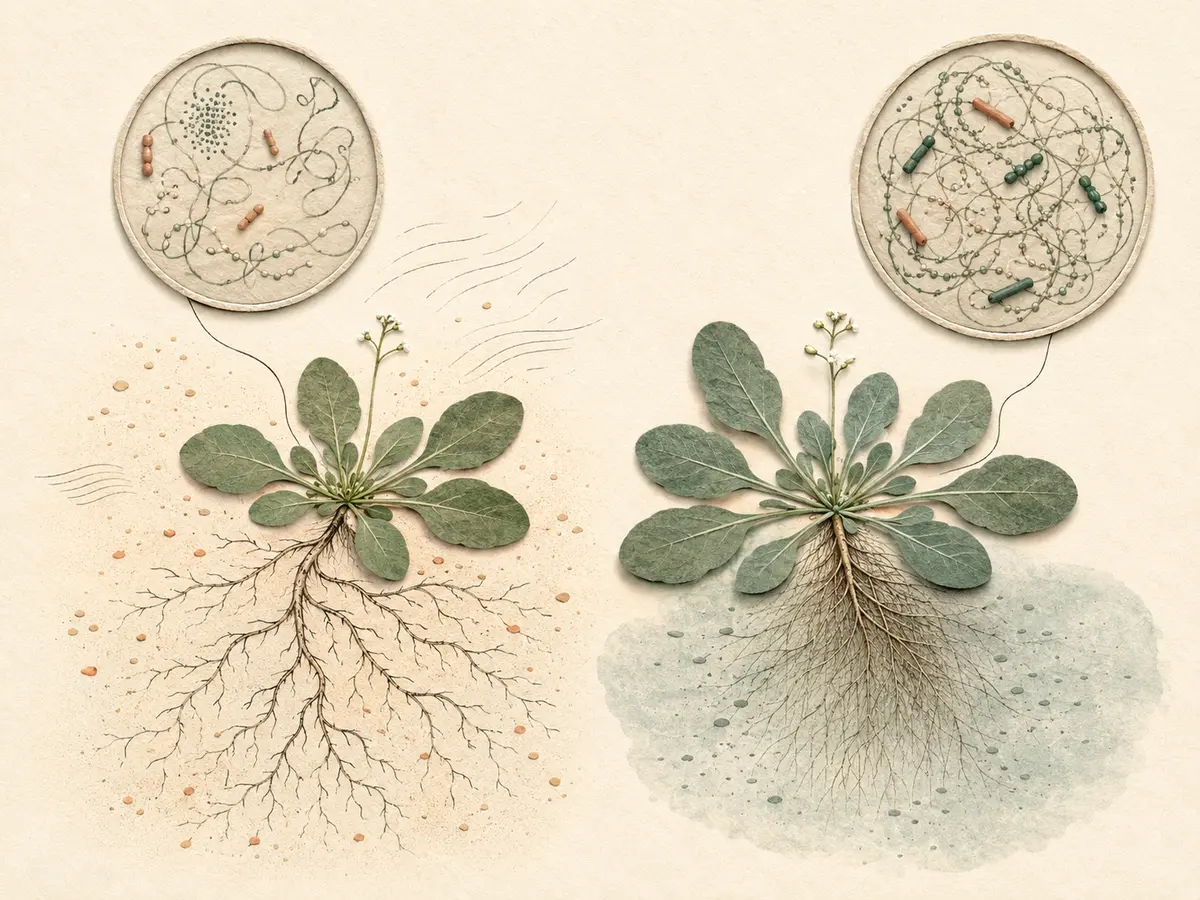
Genetic and epigenomic responses to genome-content change.

A transparent process

From uncertainty to an experimental decision

Frame

Define the claim and decision the data must support.

Audit

Evaluate design, metadata, quality and available evidence.

Integrate

Connect molecular layers and test alternative explanations.

Act

Deliver a model, figures and a validation plan.

Our philosophy

Knowledge should be within reach of those asking the questions.

Accessible knowledge · Shared reasoning · Honest interpretation

You do not need to arrive with every answer or master every method before a project can move forward. A meaningful question, existing data or even a well-defined uncertainty is enough to begin.

Plant Omics Studio works alongside research teams to make advanced omics understandable and useful—building the analytical route, sharing knowledge and keeping the biological reasoning visible at every step.

Bring the question, the data or the uncertainty. We can build the next step together.

Start with the question

Have data, a phenotype or a project that is not moving?

Send a short description of the biological question, organism, available datasets and current bottleneck. The first conversation establishes fit and the most useful next step.

Projects in English or Spanish · Remote collaboration